The Social Media Marketing System That Actually Works in 2026

Are you posting on social media and hoping for sales? Throwing up a photo, adding random hashtags, and crossing your fingers? If that sounds familiar, you're not alone. Most small businesses treat social media like a lottery ticket, but that approach simply doesn't work anymore.
The truth is, the algorithms on these platforms change constantly. What worked last year might be completely ineffective today. But don't worry—I'm going to share a proven social media marketing system that turns social media from a time sink into one of your most profitable marketing channels.
Why Most Businesses Fail at Social Media

Before we dive into the solution, let's talk about why most businesses struggle. The biggest mistake? Spreading yourself too thin. You're trying to post on Facebook, Instagram, TikTok, LinkedIn, Twitter, and Pinterest because some internet guru told you to "be everywhere."
Congratulations you've just become the CEO of burnout.
The reality is that trying to be effective everywhere means you'll be effective nowhere. The key is focus, strategy, and smart automation.
Step 1: Choose Your Platforms Wisely (The 3-Platform Rule)
Here's a game-changing principle: Focus on a maximum of three platforms where your ideal customers are actively engaging.
Notice I said "engaging," not just browsing. People looking around doesn't mean they're buying. Here's how to choose your top three:
Platform Breakdown
Facebook is perfect for:
Local businesses
B2C companies
Targeting demographics aged 25-54
Businesses that need tools like Facebook Shops, lead generation ads, and Messenger automation
Example: If you own a restaurant, fitness studio, or local service business, Facebook should probably be in your top three.
Instagram works best for:
Lifestyle businesses
Brands targeting younger demographics (18-34)
Companies with strong visual content
Businesses that benefit from Instagram Shopping and high engagement
Example: A boutique clothing store or a travel agency would thrive on Instagram.
LinkedIn is ideal for:
B2B businesses
Professional services
Targeting decision-makers
Thought leadership and professional networking
Example: If you're a marketing consultant or software company selling to other businesses, LinkedIn is non-negotiable.
TikTok suits:
Brands targeting Gen Z and young millennials
Businesses willing to create entertaining, fun content
Companies that can leverage short-form video and trending audio
Example: A trendy snack brand or youth-focused fitness program could explode on TikTok.
The Scoring Framework
Use this simple framework to decide which platforms deserve your attention:
Are your customers here, and do they buy here? (40% weight)
Can you create good content consistently for this platform? (30% weight)
Does this platform connect to your sales process? (20% weight)
How crowded is it with competitors? (10% weight)
Score each platform out of 100. The three highest scores are your winners.
Step 2: Create Content That Actually Matters
Once you know where to post, you need to know what to post. Successful businesses build their content around 4-6 consistent pillars. Think of these as your go-to themes that keep your brand steady.
Your Content Pillars
Educational Content Share how-to posts, tips, frequently asked questions, and process breakdowns. This positions you as an expert and earns trust.
Example: A plumber could create "5 Signs Your Water Heater Is About to Fail" or "How to Prevent Frozen Pipes This Winter."
Behind the Scenes Show your team, share a day in the life, or reveal your company culture. This humanizes your brand.
Example: A bakery sharing early morning prep work or the story behind a signature recipe.
Social Proof Share testimonials, case studies, reviews, and user-generated content. Let your customers do the talking for you.
Example: A fitness coach sharing before-and-after photos with client testimonials.
Community Building Ask questions, jump on trends, engage locally, and build relationships.
Example: A local bookstore asking "What book changed your life?" and responding to every comment.
The 80/15/5 Rule
Forget everything you've heard about content ratios. Here's what actually works:
80% should be value-driven (teaching, inspiring, entertaining)
15% should be community or behind-the-scenes content
5% should be direct promotion
Most businesses get this backward. They promote, sell, and push constantly. Remember: people don't follow you for ads. They follow you for value and connection.
Step 3: Get Discovered (Hashtags Aren't Enough)
Let's save you hours of wasted time: hashtags are not the growth hack they used to be. The algorithm has completely changed. Here are the four ways to help the right people find your content:
1. Content Optimization
Create content that sparks real conversation by asking specific questions. Write your captions like they're SEO-friendly because social platforms are now search engines. When someone comments, respond within the first hour.
2. Strategic Hashtag Use
Yes, hashtags still matter, but use them in moderation. Think quality over quantity. Instead of using 20-30 hashtags, focus on 5-10 highly relevant ones.
3. Cross-Platform Optimization
Tailor your content to each platform's native format. What works on LinkedIn won't necessarily work on TikTok. Test and adapt.
4. Daily Engagement
Follow the 5-minute daily rule:
Respond to comments within 2 hours
Engage with 10 accounts in your industry
Share and comment on customer posts
Jump into relevant conversations
If you can dedicate just five intentional minutes per day to engagement, you'll see a dramatic increase in trust and visibility.
Step 4: Automate Smart, Stay Human
Automation can save you hours, but it can also make you look like a robot if overdone. The key is knowing what to automate and what needs the human touch.
What to Automate
Scheduling content
Cross-posting across platforms
Lead capture from social traffic
Basic FAQ responses
Keep These Human
Direct messages
Comment responses
Community management
Crisis communication
Nobody wants to feel like they're talking to a chatbot. Don't automate personal interactions. People come to social media for connection, not copy-paste scripts.
The Power of Integration
When you connect your social media to a CRM system (like HubSpot), magic happens. You can:
Track which posts drive actual leads and sales
Automatically trigger email sequences when someone engages
Create workflows based on social interactions
See full attribution from social post to closed sale
This is how you transform social media from likes into revenue.
Step 5: Track What Actually Matters
Stop obsessing over likes, shares, and follower counts. These are vanity metrics. What matters is whether you're driving sales, leads, and real results.
Track These Metrics Instead
Awareness Metrics:
Reach (how many people see your content)
Brand mentions
Follower quality (not just quantity)
Engagement Metrics:
Engagement rate per post
Completion rate on videos
Shares and saves
Conversion Metrics:
Click-through rates
Leads generated from social
Cost per lead
Attribution to actual sales
Monthly Optimization Cycle
Every month, run this quick check:
Identify your top-performing content and find patterns
Walk away from underperformers quickly
Test new formats and posting times
Refine your audience based on reactions
Keep an eye on competition
Social media changes fast. You need to stay agile.
Step 6: Monitor and Respond Like a Pro
A single bad review or unanswered comment can snowball quickly. You need a plan before things blow up.
Set up alerts for brand mentions across platforms
Create response protocols for your team
Train everyone on your brand's tone and voice
Aim for a 1-hour response time during business hours
Set up auto-replies for after hours
Establish templates to save time, but always personalize them. For urgent issues, have a clear escalation process.
Your 90-Day Social Media Playbook
Ready to put this into action? Here's your step-by-step plan:
Week 1: Set Your Foundation
Audit platforms and pick your top 2-3
Set up tracking
Create brand templates
Lock in content pillars
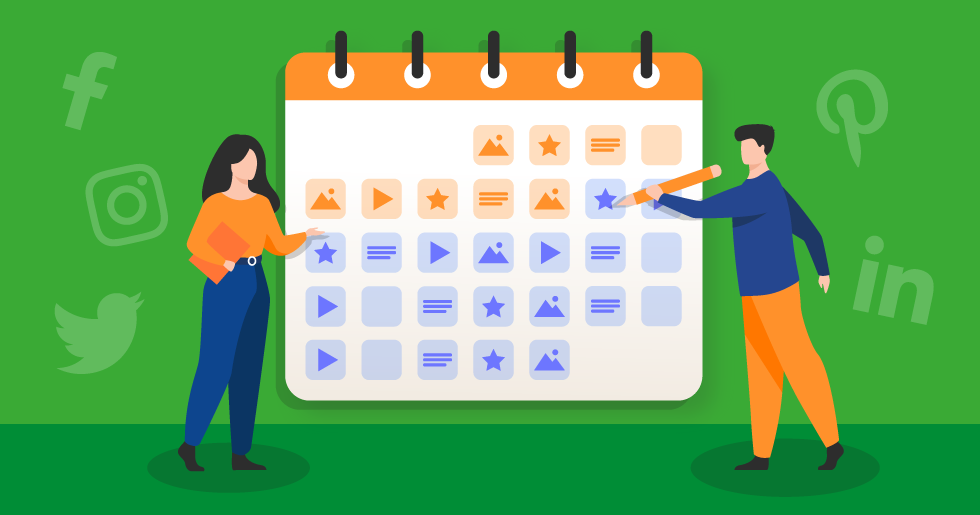
Create your first content calendar
Week 2: Build and Automate
Create two weeks of content (use AI to help)
Set up automated posting
Add lead magnets
Turn on social commerce tracking
Months 2-3: Optimize and Scale
Double down on what's working
Drop what's not
Add advanced automation
Capture and use user-generated content
You won't see massive results overnight, but if you follow this framework for 90 days, you'll transform from randomly posting to creating content that drives actual revenue.
The Bottom Line
Social media marketing isn't about posting pretty pictures and hoping for the best. It's about building systems that attract the right customers, nurture relationships, and drive measurable results.
The businesses that win don't try to be everywhere. They pick a few platforms and dominate them. They post consistently with smart automation. They use modern discovery tactics. They integrate social media with their customer journey. And they measure the metrics that actually matter.
Most importantly, they optimize every single month.
Start small. Pick your three platforms. Create your content pillars. Set up basic automation. Track your results. And adjust as you go.
Social media success isn't about luck it's about strategy, consistency, and smart execution. Now you have the system. It's time to put it to work.